
Conversion Copywriting

Press ESC to close or / to search anytime
We use analytics, UX friction checks, and buyer-journey psychology to turn B2B pages into predictable lead generators—without writing fluff.
Talk through your funnel
Most B2B sites don't have a writing problem. They have a decision problem: the page doesn't help a buyer choose.
Our strategy starts with a simple loop: measure intent, remove friction, then tighten the promise. During the rollout, we'll usually watch scroll depth, CTA click paths, and the "dead zones" where people hesitate. That's where copy earns its keep.
If your hero section needs three sentences to explain what you do, the offer isn't clear yet. Fix the offer first; the copy gets easier after that.
Technical SEO and content architecture that makes your best pages easier to find—and easier to trust.

Homepage and landing page frameworks, UX writing, and message testing that improves above-the-fold decisions.

Editorial strategy, email sequences, and content systems built for long sales cycles and multiple stakeholders.

Here's the pattern we see on B2B teams: copy gets reviewed until it's "safe," then it stops converting.
Approval-driven copy tries to satisfy everyone in the room. It stacks features, trims specificity, and avoids picking a lane. The buyer reads it and thinks, "Okay… but is this for me?"
On-page behavior analysis suggests the damage shows up early: short time-to-first-scroll, low interaction with proof sections, and CTA clicks that don't match traffic volume.
Don't "fix" weak conversion by adding more sections. If the first screen doesn't answer who it's for and what changes, the rest of the page becomes a long apology.
Our deployment data indicates that when teams tighten the first-screen promise and align proof to one buyer concern, downstream sections get read more—not less.
You can win with either approach. The difference is what you're optimizing for.
Campaign content can look "successful" while quietly burning your team out. System content can feel slow until the architecture clicks. Based on our internal evaluations, the best results come when you pick one primary engine for about 90 days, then layer the other on top.
Start system-led if you already have product-market fit and a stable ICP. Start campaign-led if you're still learning which promise actually lands. Either way, keep one constraint: every piece must point to a decision.
Good B2B content doesn't "educate" in the abstract. It reduces perceived risk and makes the next step feel reasonable.
Want a practical starting point? We'll map your top pages to intent, proof, and CTA friction—then hand you a prioritized rewrite plan.
Request a content + copy teardownWe're a small team. That's on purpose. It keeps the feedback loop tight and the writing grounded in what pages actually do in the wild.

Director of B2B Content Strategy
Focus: B2B content marketing systems, editorial planning, and long-cycle messaging that sales teams can actually use.

Conversion Copywriting Lead
Focus: homepage and landing page frameworks, UX writing, and message testing for higher-intent clicks.
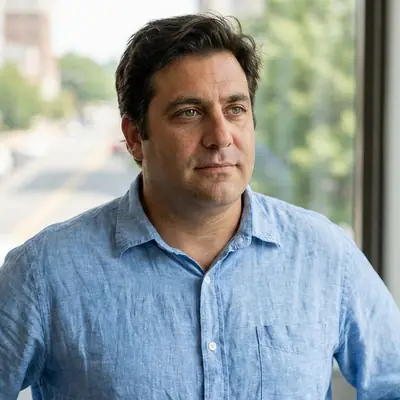
Senior SEO Strategist
Focus: SEO strategy, technical audits, and content architecture tied to measurable search demand.
Method note: results vary most when traffic quality is unstable (paid targeting shifts can mask copy improvements).